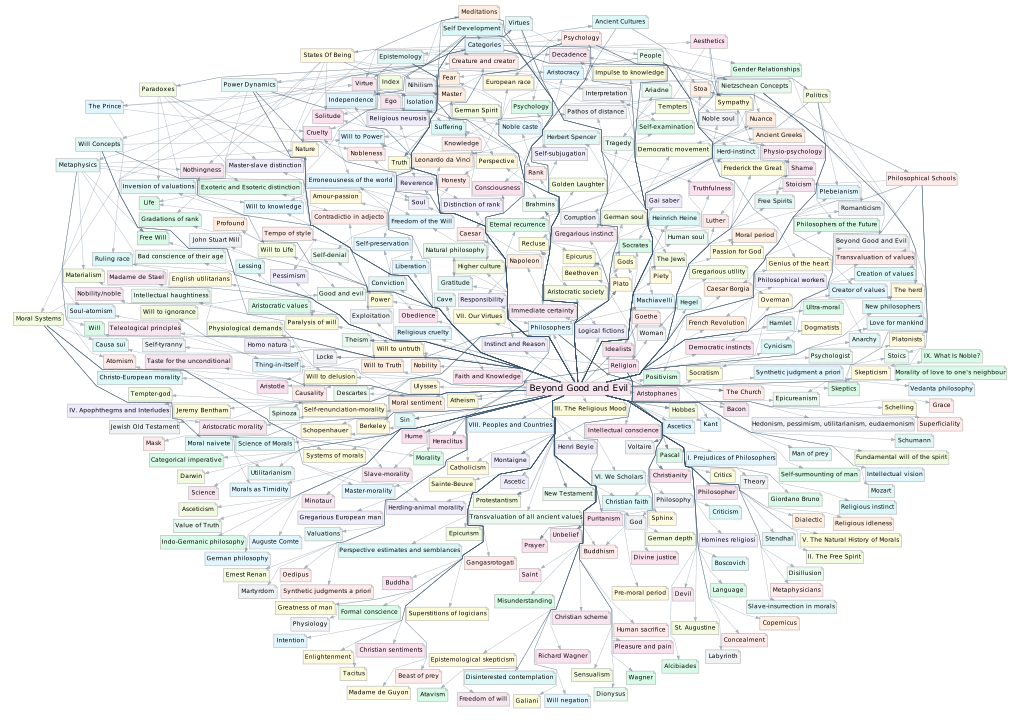
Beyond Good and Evil#
Parts#
I. Prejudices of Philosophers
II. The Free Spirit
III. The Religious Mood
IV. Apophthegms and Interludes
V. The Natural History of Morals
VI. We Scholars
VII. Our Virtues
VIII. Peoples and Countries
IX. What Is Noble?
Concepts#
Alcibiades
Amour-passion
Anarchy
↖ Politics
Ancient Greeks
↖ Ancient Cultures
Ariadne
Aristocracy
↖ Politics
↖ Power Dynamics
Aristocratic morality
↖ Moral Systems
Aristocratic society
↖ Power Dynamics
Aristocratic values
Aristophanes
Aristotle
↖ Philosophers
Ascetic
Asceticism
Ascetics
Atavism
Atheism
↖ Religion
Atomism
↖ Metaphysics
Auguste Comte
Bacon
↖ Philosophers
Bad conscience of their age
Beast of prey
Beethoven
↖ People
Berkeley
↖ Philosophers
Beyond Good and Evil
↖ Nietzschean Concepts
Boscovich
Brahmins
↖ Ancient Cultures
↖ Religion
Buddha
Buddhism
↖ Religion
Caesar
↖ People
Caesar Borgia
↖ People
Categorical imperative
Catholicism
↖ Religion
Causa sui
↖ Metaphysics
Causality
↖ Metaphysics
Cave
Christian faith
↖ Religion
Christian scheme
Christian sentiments
Christianity
↖ Religion
Christo-European morality
Concealment
Consciousness
↖ Psychology
Contradictio in adjecto
↖ Paradoxes
Conviction
↖ Epistemology
Copernicus
Corruption
↖ Politics
Creation of values
↖ Nietzschean Concepts
Creator of values
↖ Nietzschean Concepts
Creature and creator
↖ Paradoxes
↖ Self Development
Criticism
Critics
Cruelty
↖ Psychology
↖ The Prince
Cynicism
↖ Philosophical Schools
Darwin
Decadence
↖ Nietzschean Concepts
↖ States Of Being
Democratic instincts
↖ Politics
Democratic movement
↖ Politics
Descartes
↖ Philosophers
Devil
Dialectic
Dionysus
Disillusion
Disinterested contemplation
Distinction of rank
↖ Power Dynamics
Divine justice
Dogmatists
Ego
↖ Psychology
English utilitarians
Enlightenment
Epicureanism
↖ Philosophical Schools
Epicurism
Epicurus
↖ Meditations
↖ Philosophers
Epistemological skepticism
Ernest Renan
Erroneousness of the world
↖ Epistemology
Eternal recurrence
↖ Nietzschean Concepts
European race
↖ Ancient Cultures
Exoteric and Esoteric distinction
↖ Paradoxes
Exploitation
↖ Power Dynamics
Faith and Knowledge
↖ Paradoxes
Fear
↖ Psychology
↖ States Of Being
Formal conscience
Frederick the Great
↖ People
Free Spirits
↖ Nietzschean Concepts
Free Will
↖ The Prince
↖ Will Concepts
Freedom of the Will
↖ Will Concepts
Freedom of will
French Revolution
↖ Politics
Fundamental will of the spirit
Gai saber
Galiani
Gangasrotogati
Genius of the heart
↖ Aesthetics
German depth
German philosophy
German soul
German Spirit
Giordano Bruno
God
↖ Religion
Gods
↖ Meditations
↖ Religion
Goethe
↖ People
Golden Laughter
Good and evil
↖ Moral Systems
↖ Paradoxes
Grace
Gradations of rank
↖ Power Dynamics
Gratitude
↖ Virtues
Greatness of man
Gregarious European man
Gregarious instinct
↖ Psychology
Gregarious utility
Hamlet
Hedonism, pessimism, utilitarianism, eudaemonism
Hegel
↖ Philosophers
Heinrich Heine
Henri Beyle
Heraclitus
↖ Philosophers
Herbert Spencer
Herd-instinct
↖ Psychology
Herding-animal morality
↖ Moral Systems
Higher culture
↖ Self Development
Hobbes
↖ Philosophers
Homines religiosi
Homo natura
Honesty
↖ Virtues
Human sacrifice
Human soul
↖ Psychology
Hume
↖ Philosophers
Idealists
↖ Philosophical Schools
Immediate certainty
↖ Epistemology
Impulse to knowledge
↖ Epistemology
Independence
↖ Self Development
↖ Virtues
Indo-Germanic philosophy
Instinct and Reason
↖ Psychology
Intellectual conscience
Intellectual haughtiness
Intellectual vision
Intention
Interpretation
↖ Epistemology
Inversion of valuations
↖ Paradoxes
Isolation
↖ States Of Being
Jeremy Bentham
Jewish Old Testament
John Stuart Mill
Kant
↖ Philosophers
Knowledge
↖ Epistemology
Labyrinth
Language
Leonardo da Vinci
↖ People
Lessing
Liberation
↖ Self Development
Life
↖ States Of Being
Locke
↖ Philosophers
Logical fictions
↖ Epistemology
Love for mankind
↖ Gender Relationships
Luther
↖ People
Machiavelli
↖ People
Madame de Guyon
Madame de Stael
Man of prey
Martyrdom
Mask
Master
↖ Power Dynamics
Master-morality
↖ Moral Systems
Master-slave distinction
↖ Paradoxes
Materialism
↖ Metaphysics
Metaphysicians
Minotaur
Misunderstanding
Montaigne
↖ Philosophers
Moral naivete
↖ Moral Systems
Moral period
Moral sentiment
↖ Moral Systems
Morality
↖ Moral Systems
Morality of love to one’s neighbour
Morals as Timidity
↖ Moral Systems
Mozart
Napoleon
↖ People
Natural philosophy
Nature
↖ Meditations
↖ Metaphysics
New philosophers
↖ Nietzschean Concepts
New Testament
↖ Religion
Nihilism
↖ Nietzschean Concepts
↖ States Of Being
Nobility
↖ Power Dynamics
Nobility/noble
Noble caste
↖ Power Dynamics
Noble soul
↖ Virtues
Nobleness
↖ Power Dynamics
↖ Virtues
Nothingness
↖ Metaphysics
↖ States Of Being
Nuance
↖ Aesthetics
Obedience
↖ Power Dynamics
Oedipus
Overman
↖ Nietzschean Concepts
Paralysis of will
↖ Will Concepts
Pascal
↖ Philosophers
Passion for God
↖ Gender Relationships
Pathos of distance
↖ Nietzschean Concepts
↖ Power Dynamics
Perspective
↖ Epistemology
Perspective estimates and semblances
Pessimism
↖ States Of Being
Philosopher
Philosophers
↖ Categories
Philosophers of the Future
↖ Nietzschean Concepts
Philosophical workers
Philosophy
Physio-psychology
↖ Psychology
Physiological demands
Physiology
Piety
↖ Virtues
Plato
↖ Meditations
↖ Philosophers
Platonists
↖ Philosophical Schools
Pleasure and pain
Plebeianism
↖ Politics
Positivism
↖ Philosophical Schools
Power
↖ Power Dynamics
Prayer
↖ Religion
Pre-moral period
Profound
Protestantism
↖ Religion
Psychologist
Psychology
↖ Psychology
Puritanism
Rank
↖ Power Dynamics
Recluse
↖ Self Development
Religion
↖ Categories
Religious cruelty
Religious idleness
Religious instinct
Religious neurosis
↖ Psychology
Responsibility
↖ Virtues
Reverence
↖ Virtues
Richard Wagner
Romanticism
↖ Aesthetics
Ruling race
↖ Power Dynamics
Saint
Sainte-Beuve
Schelling
Schopenhauer
↖ Philosophers
Schumann
Science
Science of Morals
↖ Moral Systems
Self-denial
↖ Self Development
Self-examination
↖ Self Development
Self-preservation
↖ Self Development
Self-renunciation-morality
↖ Moral Systems
Self-subjugation
↖ Self Development
Self-surmounting of man
Self-tyranny
Sensualism
Shame
↖ Psychology
Sin
↖ Religion
Skepticism
↖ Philosophical Schools
Skeptics
↖ Philosophical Schools
Slave-insurrection in morals
Slave-morality
↖ Moral Systems
Socrates
↖ Meditations
↖ Philosophers
Socratism
↖ Philosophical Schools
Solitude
↖ Self Development
↖ States Of Being
Soul
↖ Meditations
↖ Metaphysics
Soul-atomism
↖ Metaphysics
Sphinx
Spinoza
↖ Philosophers
St. Augustine
Stendhal
Stoa
↖ Ancient Cultures
↖ Philosophical Schools
Stoicism
↖ Philosophical Schools
Stoics
↖ Philosophical Schools
Suffering
↖ Psychology
↖ States Of Being
Superficiality
Superstitions of logicians
Sympathy
↖ Gender Relationships
↖ Psychology
Synthetic judgment a priori
Synthetic judgments a priori
Systems of morals
↖ Moral Systems
Tacitus
Taste for the unconditional
Teleological principles
Tempo of style
Tempter-god
Tempters
The Church
↖ Religion
The herd
↖ Politics
The Jews
↖ Ancient Cultures
Theism
↖ Religion
Theory
Thing-in-itself
↖ Metaphysics
Tragedy
↖ Aesthetics
Transvaluation of all ancient values
Transvaluation of values
↖ Nietzschean Concepts
Truth
↖ Epistemology
↖ Meditations
Truthfulness
↖ Virtues
Ultra-moral
Ulysses
Unbelief
↖ Religion
Utilitarianism
↖ Moral Systems
Valuations
Value of Truth
Vedanta philosophy
Virtue
↖ Meditations
↖ The Prince
↖ Virtues
Voltaire
↖ Philosophers
Wagner
Will
↖ Will Concepts
Will negation
Will to delusion
↖ Will Concepts
Will to ignorance
Will to knowledge
↖ Epistemology
↖ Will Concepts
Will to Life
↖ Will Concepts
Will to Power
↖ Nietzschean Concepts
↖ Will Concepts
Will to Truth
↖ Will Concepts
Will to untruth
↖ Will Concepts
Woman
↖ Gender Relationships