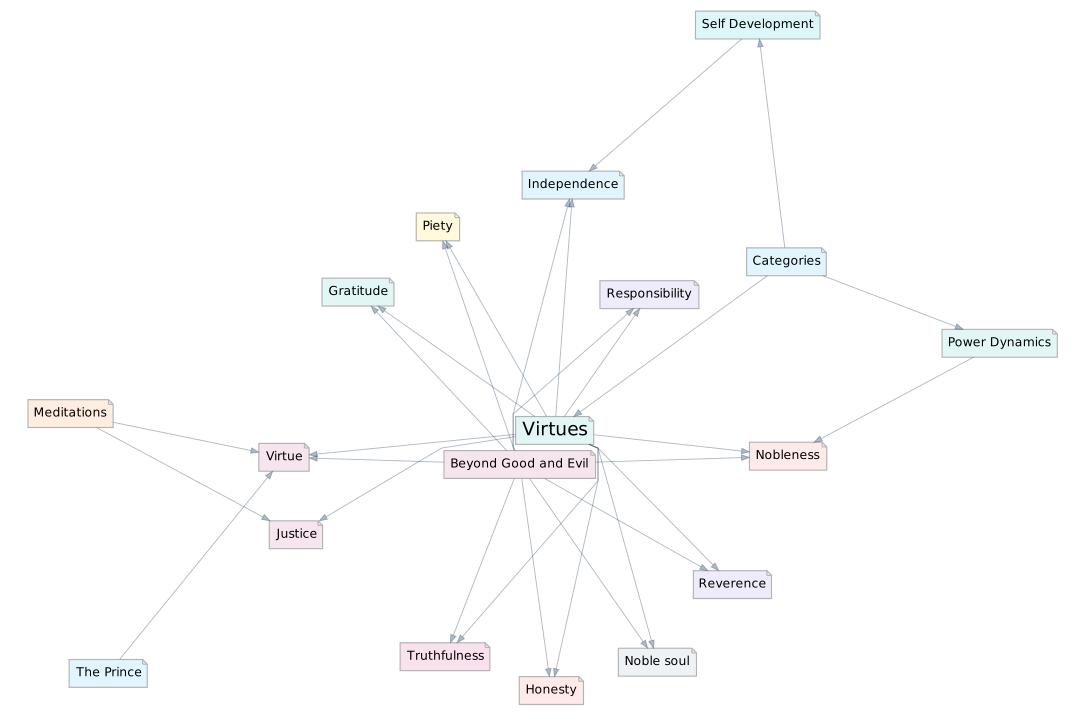
Virtues#
Summary#
The conception of virtue diverges radically across these texts. For Marcus Aurelius, virtues like justice, honesty, and gratitude express the soul’s alignment with universal reason and nature, requiring no external reward since they fulfill their purpose in being exercised. Machiavelli inverts this understanding entirely, arguing that a prince adhering strictly to conventional virtues will be destroyed among the wicked, and that what appears vicious may prove most salutary for maintaining power. Nietzsche warns against becoming enslaved to one’s virtues and observes that the very attempt to codify virtue through moral philosophy has made it tedious, favoring instead the noble soul’s spontaneous self-reverence over prescribed moral duties.
Virtue ↖ Beyond Good and Evil ↖ Meditations ↖ The Prince
Honesty ↖ Beyond Good and Evil
Gratitude ↖ Beyond Good and Evil
Responsibility ↖ Beyond Good and Evil
Reverence ↖ Beyond Good and Evil
Independence ↖ Beyond Good and Evil ↖ Self Development
Truthfulness ↖ Beyond Good and Evil